
Why Staying Close To Your Skillset Matters More Than Ever.
One of the conversations we find ourselves having regularly with candidates isn't about salary or job titles - It's about career direction.
Whether someone has been actively searching for a few months or is simply exploring what's out there, it's not uncommon to hear, "Maybe I should just try something different."
Sometimes that instinct is absolutely the right one. Careers evolve, priorities change and new opportunities present themselves that you never expected. More often than not, especially in specialist industries like fashion, retail and consumer brands, we've seen that the strongest long-term careers are built through consistency rather than constant reinvention.
Every role you take contributes to your professional story. It shapes how the market sees you, how hiring managers perceive your expertise and ultimately the opportunities that become available to you in the future. Your experience isn't just measured by the number of years you've worked. It's measured by the depth of knowledge you've developed, the commercial decisions you've influenced, the challenges you've overcome and the value you've consistently brought to your chosen profession.
Whether you're a Merchandise Planner, Buyer, Designer, Product Developer, Finance professional, Executive Assistant or Digital specialist, every move should ideally strengthen the expertise you've already built rather than take you further away from it. That's where long-term career value is created.

One thing we've observed over the years is that employers naturally look for progression, but progression doesn't always mean a bigger title.
Sometimes progression looks like joining a more complex business.
Sometimes it's moving into an international brand.
Sometimes it's gaining exposure to wholesale when you've only worked in retail, or expanding into eCommerce after spending your career in bricks and mortar.
Perhaps it's taking on greater commercial ownership, leading a larger team or managing a broader category.
These are the types of moves that continue to build your capability while keeping you connected to the profession you've invested years developing.
On the other hand, stepping too far outside your established skillset can sometimes create challenges you weren't expecting. Recruitment markets naturally become more specialised over time. Hiring managers are increasingly looking for people who can demonstrate not only transferable skills, but genuine depth of experience within their discipline. The more disconnected your recent experience becomes from your core expertise, the harder it can sometimes be to re-establish yourself in that space.
That doesn't mean career changes aren't possible. They absolutely are. It simply means they're often most successful when they're built on the strengths you've already developed, rather than starting from scratch.
How We See This Happening In Recruitment
A Merchandise Planner doesn't necessarily need to stop being a planner to find a fresh challenge. They might move into a different retail sector, join a global business, take ownership of larger categories or step into leadership.
A Product Developer might diversify into technical apparel, accessories or international sourcing.
A Finance professional might move from corporate retail into a scaling fashion brand where they can broaden their commercial influence.
The common thread is that each move builds upon the last.
When we speak with clients, one of the things they consistently value is seeing a logical progression throughout someone's career. They want to understand how each role has added another layer of capability, commercial thinking or leadership experience.
It's rarely about having the most varied CV. It's about having a CV that tells a clear story.
That's why we often encourage candidates to think beyond the immediate opportunity in front of them.
Instead of asking:
"Is this a better job?"
Try asking:
"Will this role make me a stronger professional in five years' time?"
More For You To Think On:
Will it expose you to a different trading model?
Will it strengthen your commercial decision-making?
Will it give you international experience?
Will it broaden your leadership capability?
Will it deepen the expertise that has become your professional reputation?
These are often the questions that shape exceptional careers.
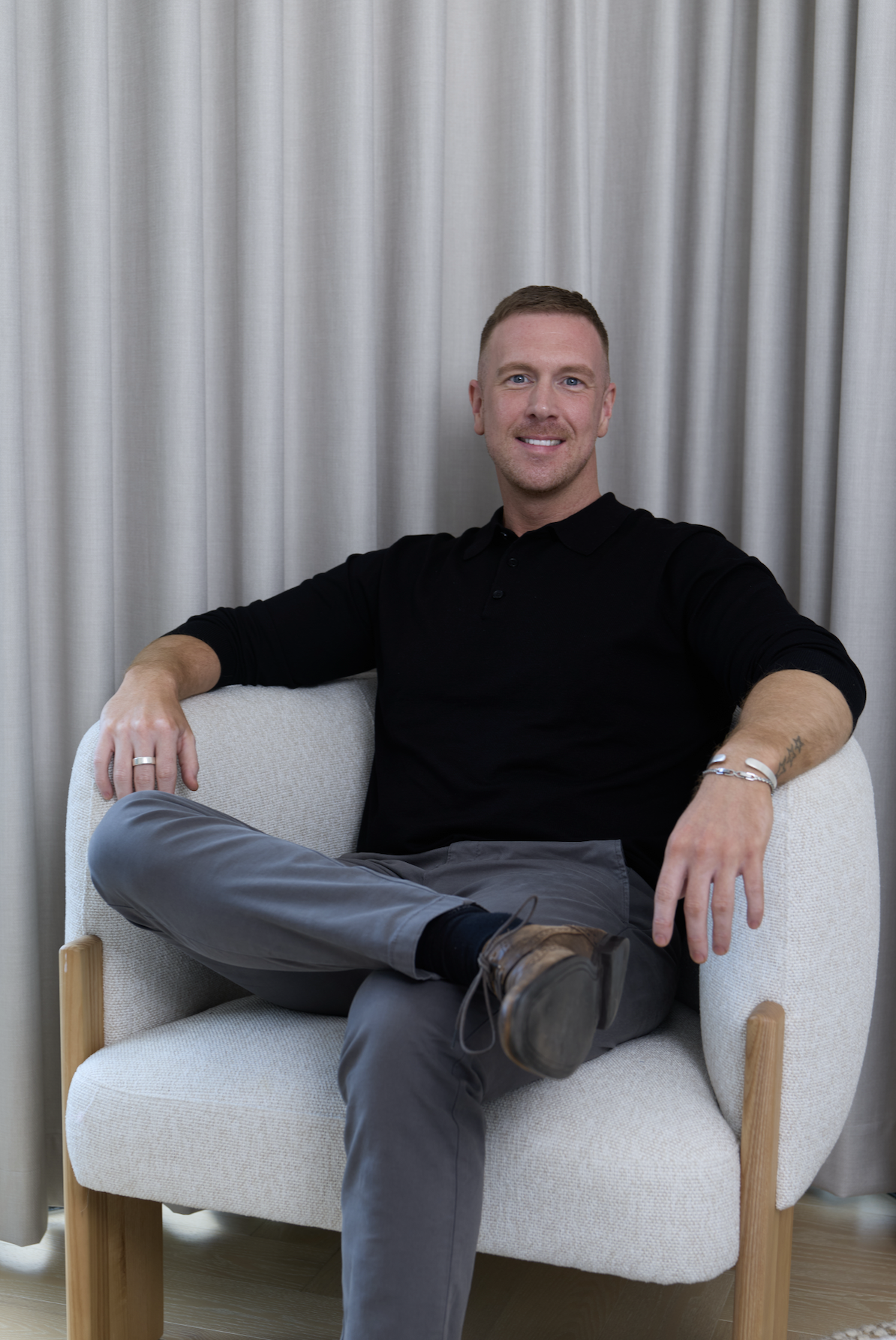
At The Talent Mill, our role extends well beyond introducing candidates to vacancies.
Some of the most valuable conversations we have are the ones where we encourage someone to wait.
To stay in a role for another season.
To finish a project.
To gain exposure to a particular function they've not yet experienced.
Or to be patient for an opportunity that genuinely aligns with where they want their career to be, rather than making a move simply because it's available.
Recruitment isn't just about helping someone secure their next role, It's about helping them build a career they're proud of.
The market will always evolve. Businesses will continue to change. New opportunities will emerge.
Professionals who continue investing in their expertise, expanding their commercial capability and remaining connected to the profession they've chosen consistently place themselves in the strongest position for long-term success.
Careers aren't built through isolated job changes.
They're built through thoughtful decisions that, over time, create genuine expertise, lasting credibility and opportunities that continue to grow alongside you.
If you’d like to connect with Jordan, please email Jordan@thetalentmill.com.au today.
By Jordan McLeod // Edited By Shannon Parsons